OpenAdapt for healthcare clinics
Referrals arrive by fax. Your staff retypes them into the EMR. OpenAdapt does the retyping.
Record the intake workflow once (open the referral, read the fields, enter them into the EMR) and OpenAdapt compiles it into an automation your clinic runs on its own machines. Healthy runs make no cloud model calls, and when the EMR's screens change, the fix arrives as a reviewable diff, not a support ticket.
Process
How it works
Record a task once, and get an automation you can run, review, and audit.
- 1.0
Record
Do the task once. OpenAdapt watches your screen and your clicks.
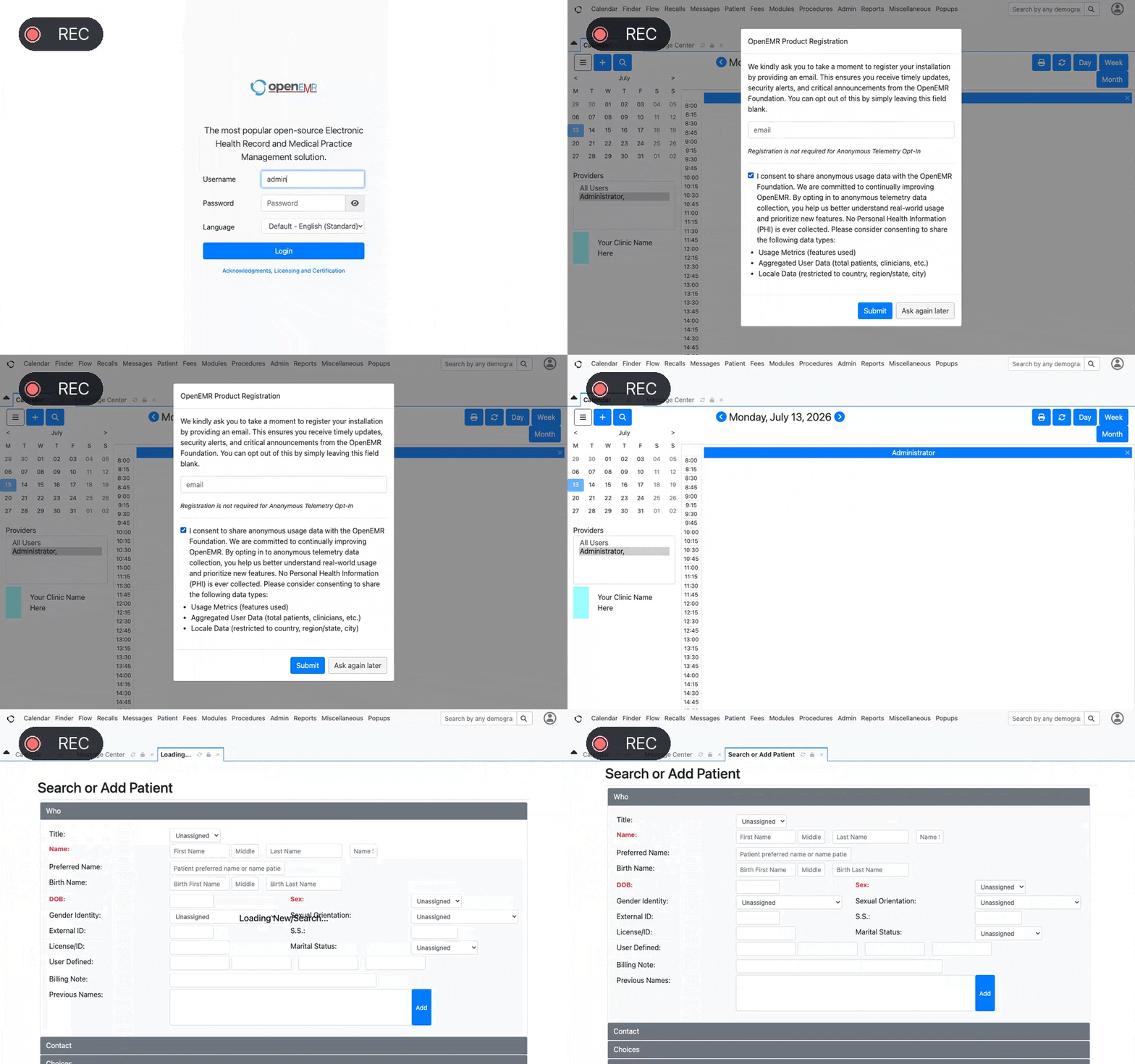
Record — real footage · driving a live OpenEMR instance - 2.0
Compile
Your recording becomes a script you can read, edit, and reuse.
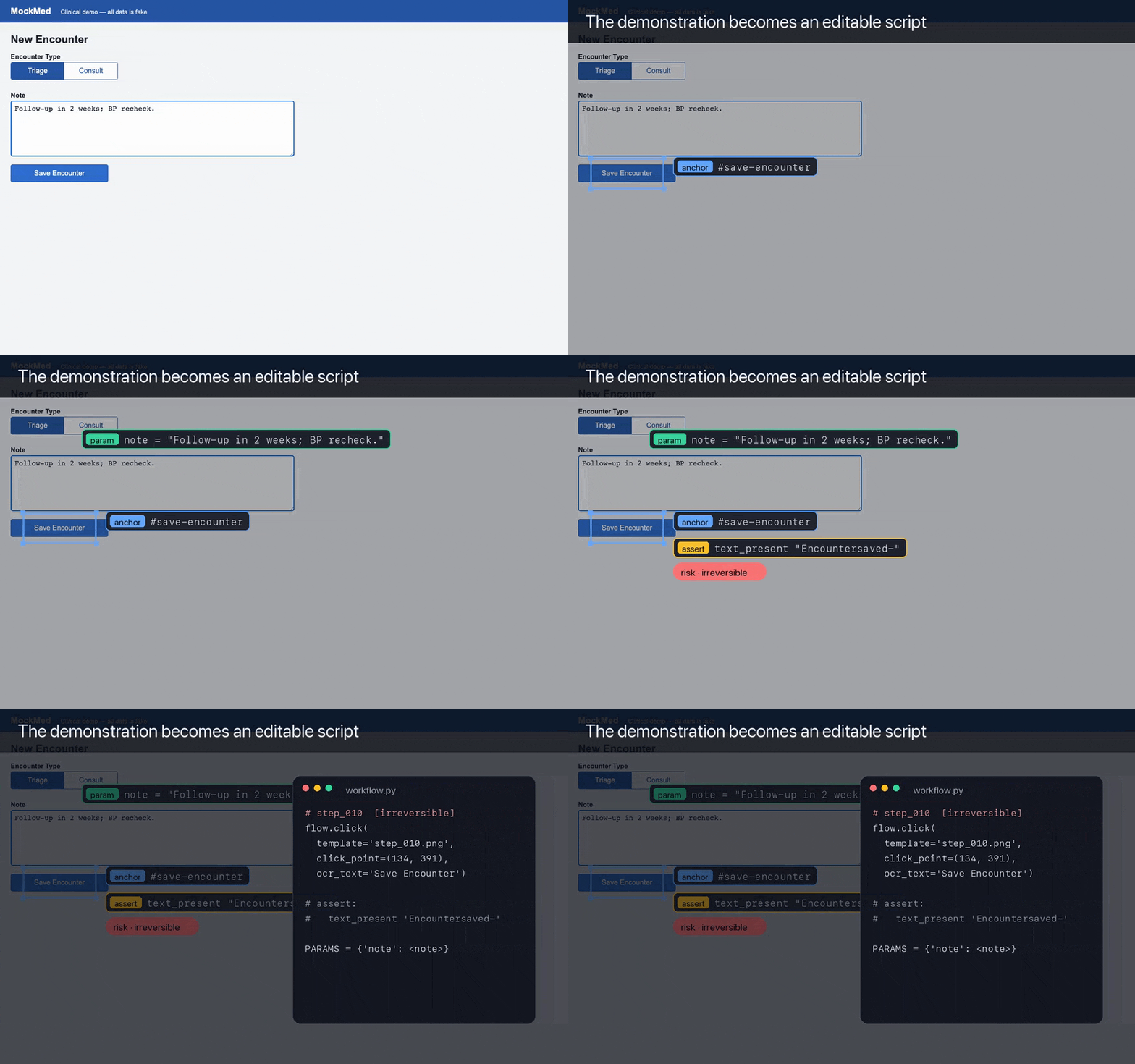
Compile — crafted annotation over a real recorded frame - 3.0
Run
It replays in milliseconds on your own machine, with no AI cost per run.
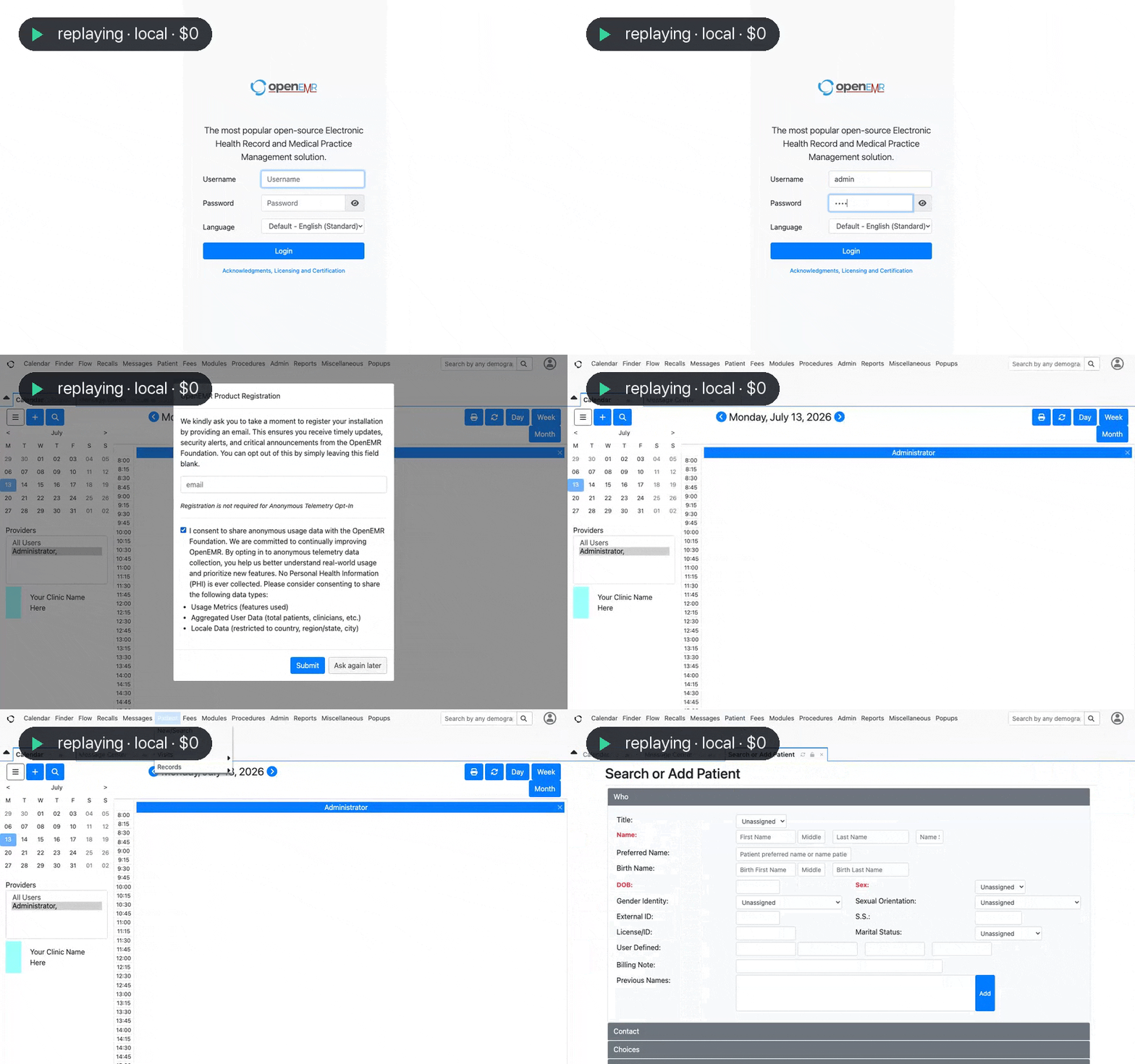
Run — real footage · driving a live OpenEMR instance - 4.0
Self-heal
When the app changes, it finds the button again and shows you the fix to approve.
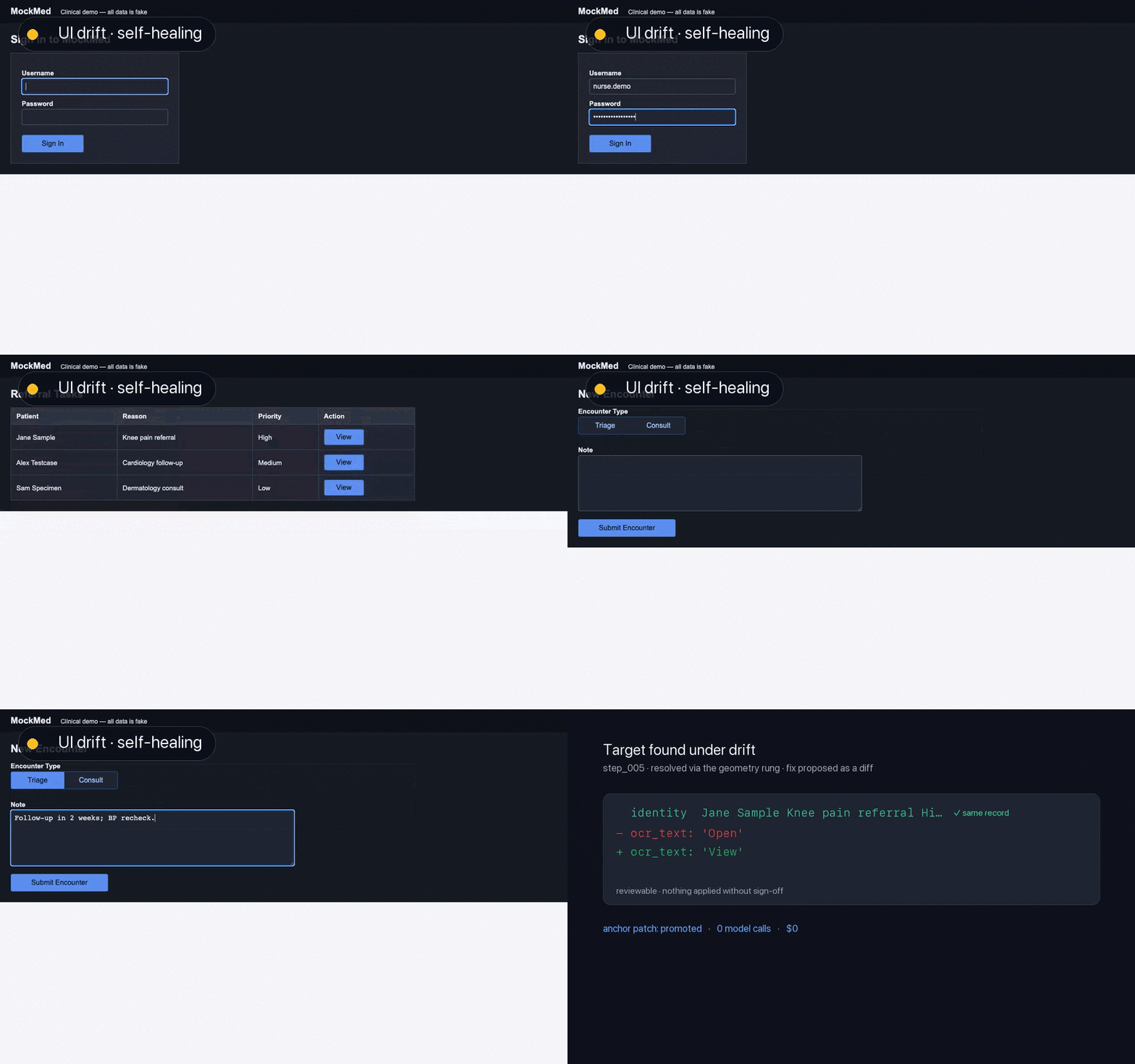
Self-heal — real footage · driving our MockMed demo app - 5.0
Audit
Every run leaves a step-by-step report: what it did, what it saw, what changed.
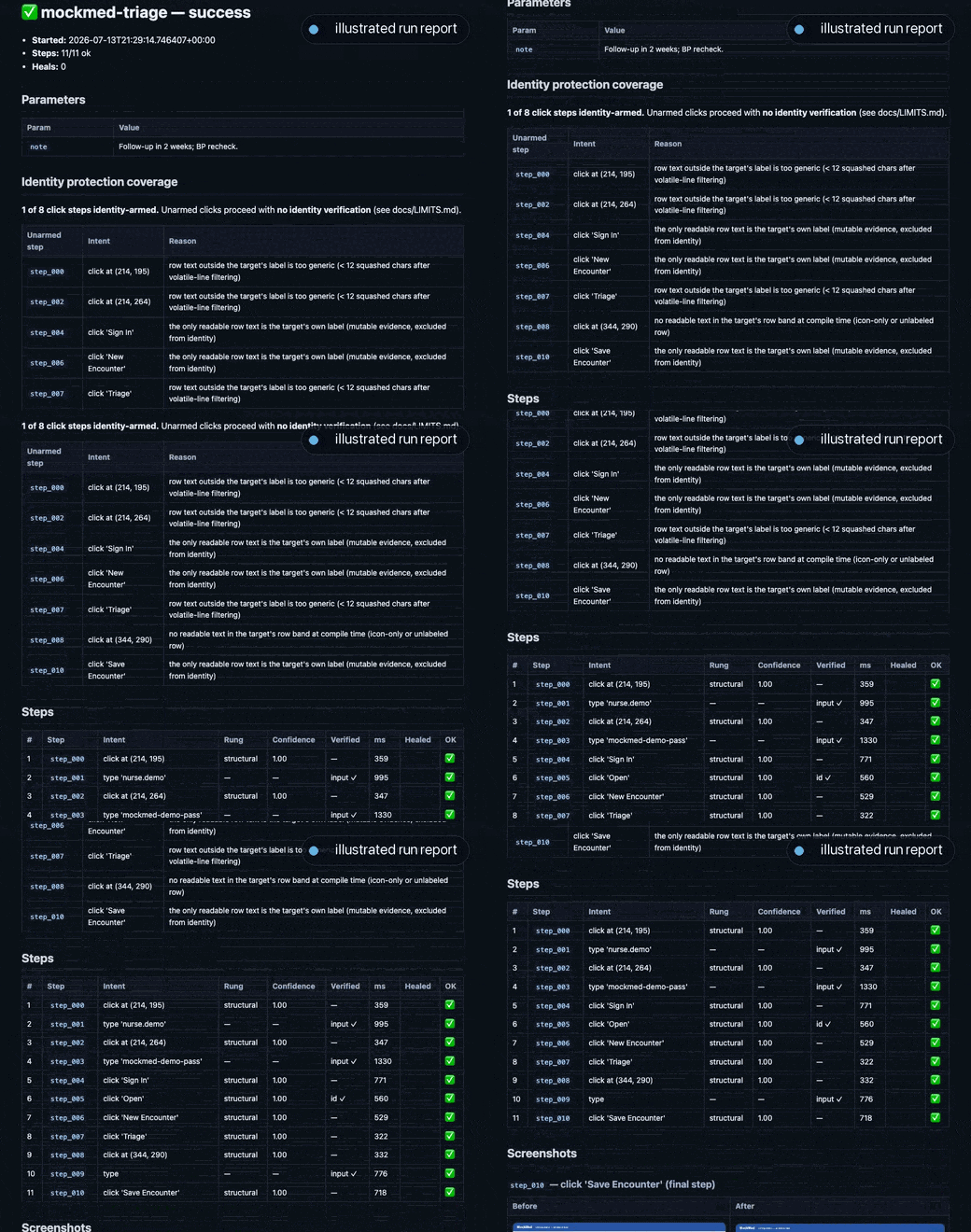
Audit — real footage · driving our MockMed demo app
Why local matters here
PHI never leaves the clinic. OpenAdapt is local-first by architecture: recordings, compiled scripts, and replays all stay on your own infrastructure, and PII/PHI scrubbing tooling is included. Because it works from the screen rather than browser internals, the same vision-based approach is designed to reach the desktop and VDI EMRs that cloud automation tools can't. Web EMRs are supported today, and those desktop and VDI adapters are in progress.
The wrong-patient defense
Certified workflows halt before writing to the wrong patient.
The one catastrophe in EMR automation is writing to the wrong chart. On legacy and Citrix EMRs the software reads the screen as text, so two patients' record numbers can differ by a single look-alike character it can't tell apart. When a certified workflow can't prove the row on screen is the recorded patient, it halts and hands the step to a person. We show it working case by case, from real renders and the real check, and we disclose what it doesn't cover.
See the wrong-patient defense →What a clinic can compile
- Turn a recorded referral-intake session into an automation that reads incoming referral documents and enters the fields into your EMR.
- Extract encounter, billing, or scheduling data out of the EMR into spreadsheets and portals without copy-paste.
- Give your compliance lead an illustrated report of every run: what ran, what it saw, what changed.
Show us one intake workflow
Bring your highest-volume retyping task to a 30-minute call and we'll map what compiling it would look like in your clinic.
Book a demo